
Best neurologists in Washington DC, DC
Neurologists in Washington DC, DC (8 trusted practices found • Average rating: 4.8/5 ) with outstanding reviews on Google Maps, specialized in private care and located near you. Here you can review detailed information, resolve common questions, and compare data to help you make the most informed decision for your health.
A trusted list of top-rated neurologists in Washington DC, DC, verified by patient reviews

Rhanni N. Herzfeld, MD
Services:
Expert neurologist specializing in headaches, seizures, MS, and cognitive disorders, offering compassionate, personalized care with advanced diagnostic and treatment options for optimal patient outcomes.

Brian Barry, MD
Services:
Expert neurologist specializing in multiple sclerosis and neuroimmunology, offering advanced diagnosis and personalized treatments to improve neurological health and patient quality of life.

The Neurology Center Providence Hospital
Services:
Expert neurological care delivering comprehensive diagnostics and treatments for diverse conditions, backed by advanced technology and compassionate, multidisciplinary teams focused on patient well-being.

Mark Mu-Quan Lin, MD
Services:
Expert neurologist specializing in movement disorders, offering advanced deep brain stimulation and botulinum toxin therapies to improve patient quality of life and manage complex neurological conditions.

MedStar Health: Neuroscience at MedStar Georgetown University Hospital
Services:
Expert neurological care offers personalized treatment for brain and spine disorders using advanced technology and multidisciplinary teams, ensuring precise diagnosis and innovative therapies for optimal patient outcomes.
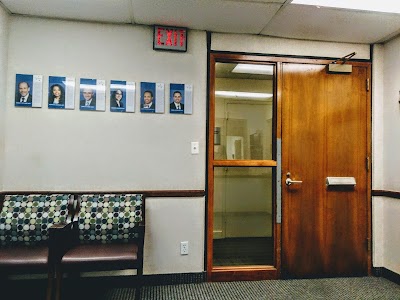
The Neurology Center K Street
Services:
Expert neurological care delivers advanced diagnostics and personalized treatments for diverse neurological conditions, supported by a multidisciplinary team committed to patient-centered excellence.
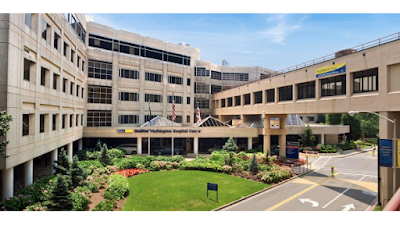
MedStar Health: Neurology at MedStar Washington Hospital Center
Services:
Expert neurologists offer comprehensive inpatient and outpatient diagnosis and treatment for a wide range of neurologic disorders, utilizing advanced technology and personalized care to improve patient outcomes.

Philip D. Pulaski, MD
Services:
Expert neurological care addressing conditions like epilepsy, migraines, and Parkinson’s disease with advanced diagnostics and personalized treatment for optimal patient outcomes.
Neurologists service prices in Washington DC
| Service | Price in Washington DC |
|---|---|
| New Patient Consultation | $230–$580 |
| Follow-Up Visit | $115–$290 |
| EEG | $350–$1,150 |
| EMG / Nerve Conduction Study | $580–$1,750 |
| Brain MRI | $700–$2,900 |
| Sleep Study | $1,150–$3,500 |
| Botox for Migraines (per session) | $1,150–$2,300 |
| Lumbar Puncture | $580–$1,750 |
| Cognitive Assessment | $350–$1,150 |
| Nerve Block Injection | $350–$930 |
Estimated prices based on Doctory data.
Why choose neurologists in Washington DC?
Verified professionals
Our selection includes neurologists in Washington DC with the highest positive ratings and professional recognition. These specialists have been carefully verified to ensure you receive the best medical care.
Near you
Easily locate neurologists near your location in Washington DC, selected for the excellent ratings and reviews from their patients. Geographic proximity is key for regular and convenient medical follow-up.
High quality
Average rating of 4.8/5 stars from 8 neurologists in Washington DC, a score that reflects exceptional commitment to quality care and patient satisfaction.
Explore more options
Finding a neurologist in Washington, DC: stroke, memory and complex diagnoses
Call 911 right away for sudden face drooping, arm weakness, speech trouble or other signs of a stroke. For planned care, DC is relatively well served, yet the CDC estimates that 2.8% of adults have had a stroke and 12.6% have a cognitive disability.
With several academic centers nearby, the real question is often which neurologist fits your symptoms.
Match your problem to the right focus
| Need | Ask |
|---|---|
| Headache or migraine | Do I need a scan, and what is my prevention plan? |
| Seizures | Do I need EEG monitoring or a specialized epilepsy center? |
| Parkinson's or tremor | Do you often treat movement disorders? |
| Multiple sclerosis | Which treatment fits my type, and how is safety tracked? |
| Memory loss | Which tests do I need, and can my family come along? |
Where to check credentials
The DC Health license search covers the District; Maryland and Virginia have their own boards. The American Board of Psychiatry and Neurology offers verification through its verifyCERT tool, with results by name, specialty or location. Ask about any subspecialty training, because neurology is broad.
Bringing a relative with memory changes
Memory problems have many causes, some of them treatable. Bring someone who has noticed the changes, and make a list of medicines, including sleep aids. Ask about the plan, driving safety, and what support is available. DC Health can point you to local programs. Advance planning is easier while the person can take part.
Help for dementia caregivers
Families in the District often balance a parent's memory loss with long commutes and demanding jobs. Medicare has tried to address this through its GUIDE model, which pays participating programs for care coordination and care management for people with dementia, along with education and respite services for qualifying caregivers. Ask your neurologist or primary care team if a participating program serves you.
For a question right now, the Alzheimer's Association helpline is open 24 hours a day at 1-800-272-3900. It can help a family think through wandering, driving, money or a frightening night, and it does not require a diagnosis.
Worth raising after a dementia diagnosis
- Who should hold power of attorney and a health care proxy?
- Is it still safe to drive?
- Are there firearms in the home?
- Which medicines may be making confusion worse?
Care that crosses jurisdictions
Adult children often live in Maryland or Virginia while a parent remains in the District, which complicates home care, adult protective services and long-term Medicaid. Ask your care team who is responsible in each place. Each jurisdiction has its own agency on aging, so call the one where the patient lives, rather than the one where the caregiver lives.
Understanding tests
EEG
- Records electrical activity in the brain.
- Ask how to prepare, and who reads it.
EMG and nerve studies
- Test muscles and nerves.
- Ask what the discomfort is like.
MRI and CT
- Show structure.
- Ask whether you really need one.
The National Institute of Neurological Disorders and Stroke describes these tests in more detail. Ask what each result would change.
Plans and second opinions
Federal employee plans and other coverage differ on referrals and networks, particularly across the DC, Maryland and Virginia lines. Ask before you book. For an uncertain diagnosis, a second opinion is reasonable. Bring your original images as well as the reports, and ask whether a specialized center would help. If you use a wheelchair or have trouble with stairs, ask about access before your first visit, and check whether Metro or a paratransit ride stops nearby.
Caregivers with federal jobs
Many caregivers here work for federal agencies or large employers. Ask your human resources office about family leave and any employee assistance program, and do so before a crisis. A note from the neurologist explaining what you need, such as time for appointments, can make that conversation easier and keep you from using up all your leave in one go.
Our directory isn't a medical opinion
It is compiled from public Google Maps ratings and reviews, and an editor checks for duplicates and wrong categories. We don't verify licenses, certification or results, and reviews may be fake. A category isn't a credential. This page is general information, and it cannot replace emergency care.
Reviewed November 2026 · Report an error · All categories in Washington DC
DC neurology questions
What are the warning signs of a stroke?
When should a headache lead me to a neurologist?
Can memory loss be treated?
What is a specialized epilepsy center?
How do I check a neurologist near Washington, DC?
Rhanni N. Herzfeld, MD
Washington DC
Brian Barry, MD
Washington DC
The Neurology Center Providence Hospital
Washington DC
Mark Mu-Quan Lin, MD
Washington DC
MedStar Health: Neuroscience at MedStar Georgetown University Hospital
Washington DC
The Neurology Center K Street
Washington DC
MedStar Health: Neurology at MedStar Washington Hospital Center
Washington DC
Philip D. Pulaski, MD
Washington DC